Compare high-temperature CTE methods, map tolerance and temperature to the right technique, and build a traceable uncertainty budget that stands up to audits.
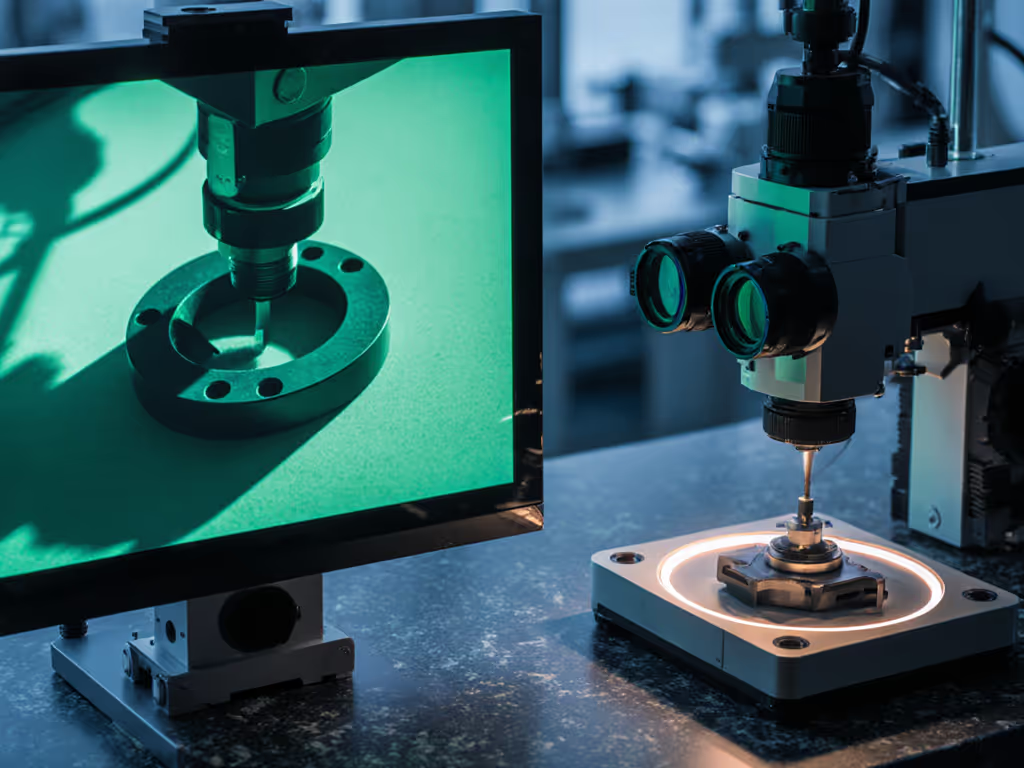
Choose the right AFM, optical, or confocal method for microfluidic chips, with setup checklists, calibration steps, and habits that make results repeatable.
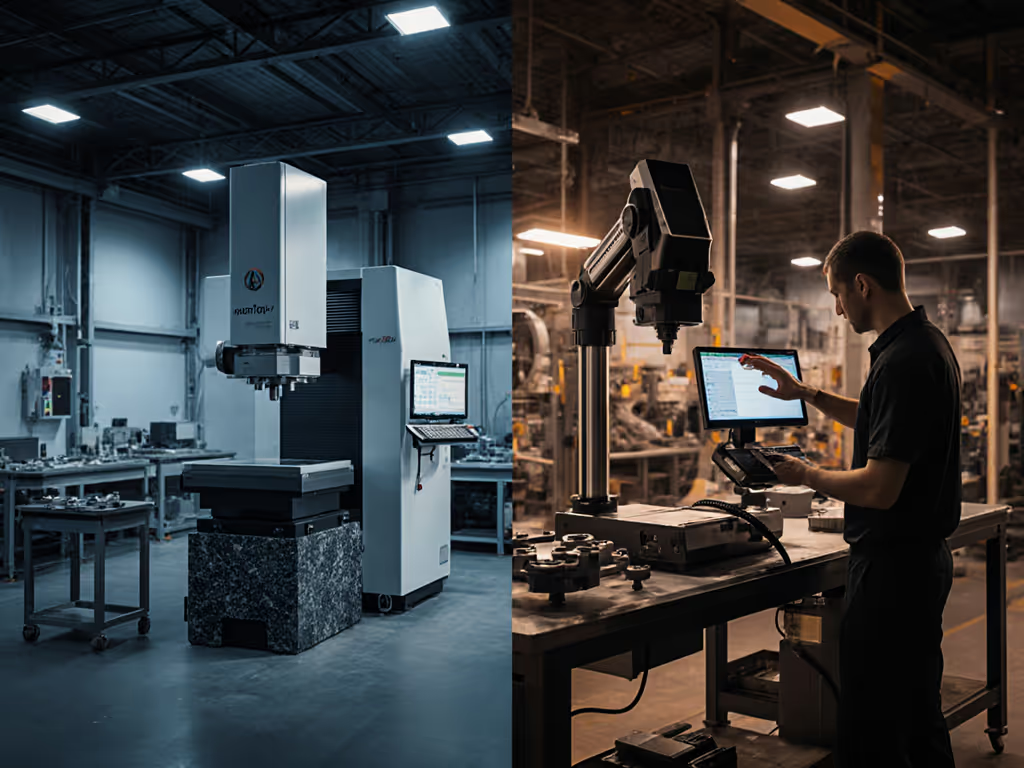
Learn how environment, workflow, and calibration drive metrology TCO, and use a tolerance-driven framework to pick fixed or portable systems with confidence.
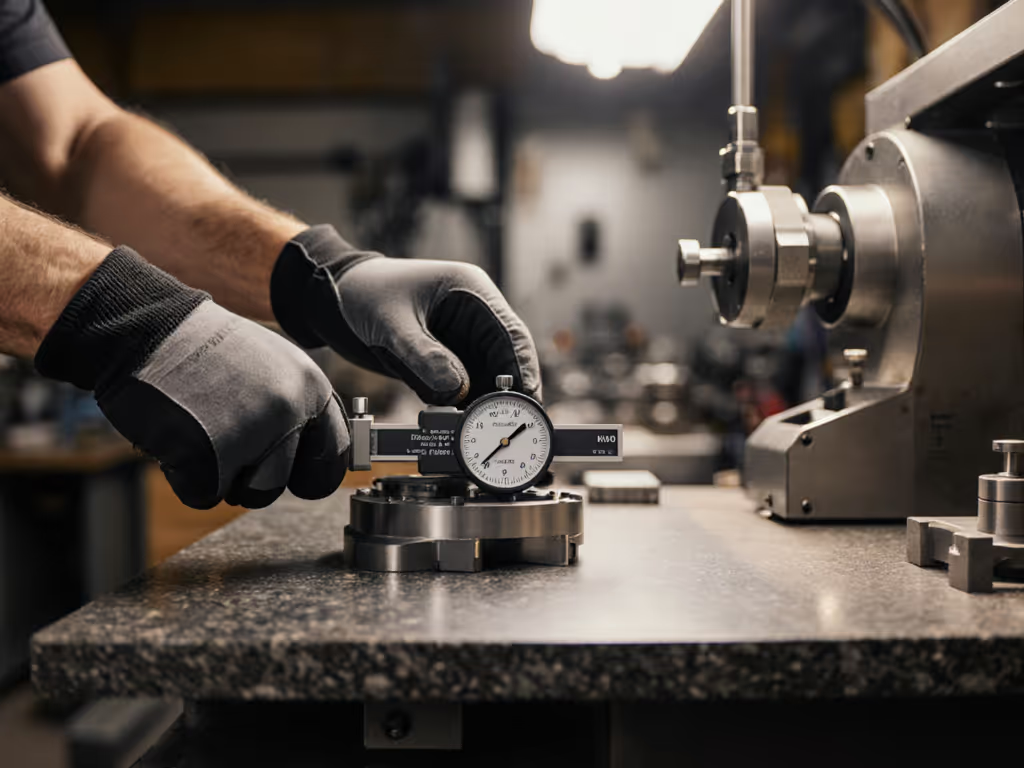
Learn when to choose comparators or vision systems using tolerance-driven criteria, TCO math, and service terms that cut downtime, drift, and audit risk.
Choose metrology by tolerance, environment, and workflow, not specs. See how satellite and shop-floor needs differ, and cut scrap with environmental controls.
Apply metrology discipline to AI data: define uncertainty, run GR&R on capture, and design for operators to cut scrap, bias, and fragile model decisions.
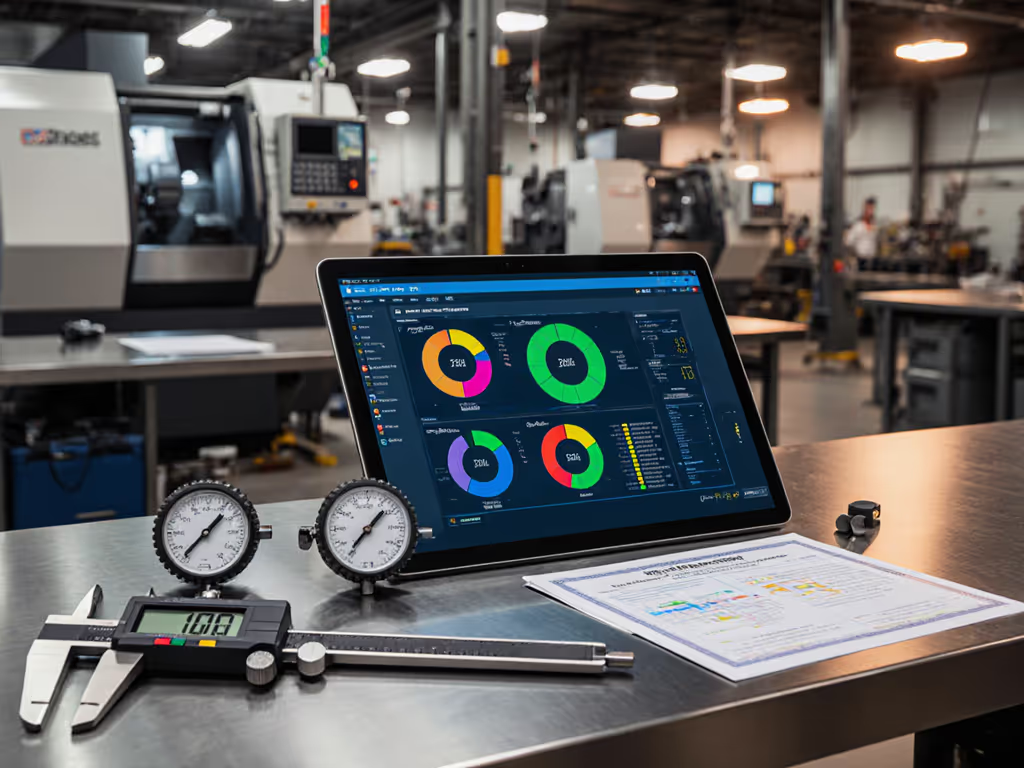
Model drift, lock in service SLAs, and standardize CO2 monitoring to lower lifecycle cost, reduce downtime, and stay audit-ready when conditions shift.
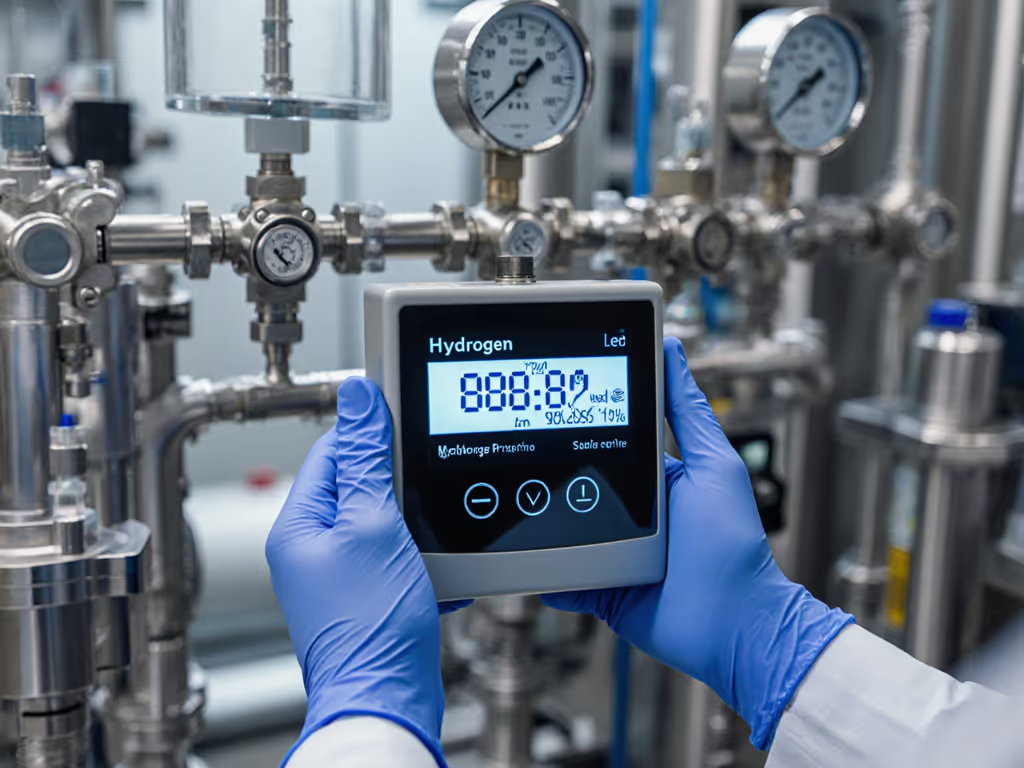
Learn how to move beyond spec sheets with repeatable, glove-on workflows, fixtures, and training that cut GR&R and contamination in hydrogen purity tests.